
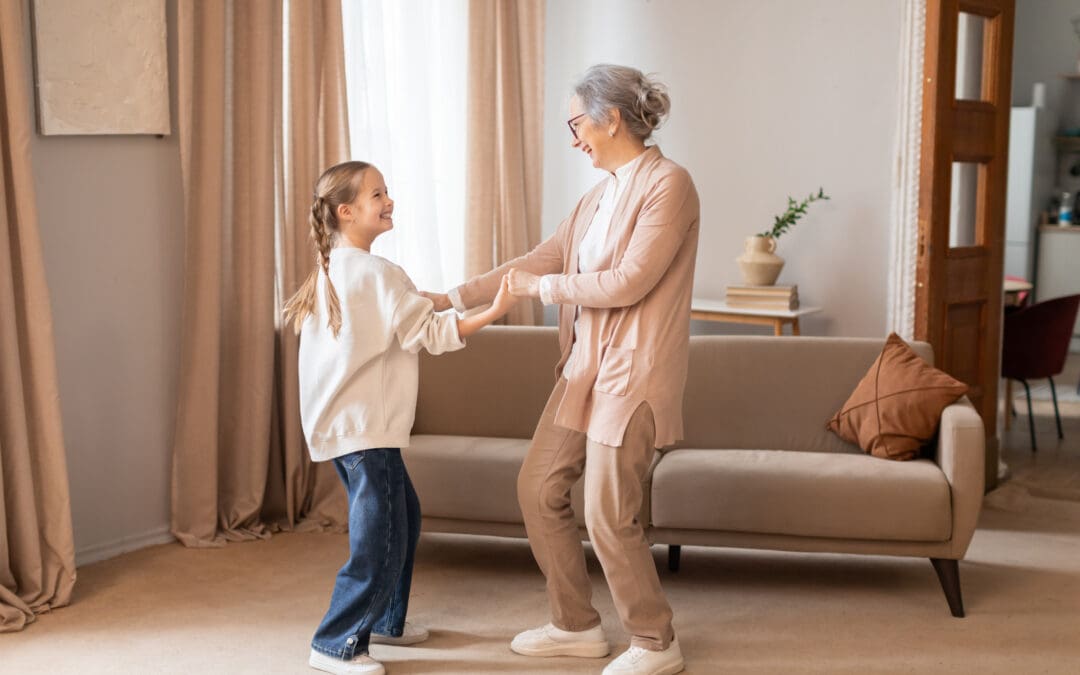
Ensuring our loved ones’ comfort and safety at home becomes paramount as they age. Creating an environment that meets the physical and emotional needs of seniors can significantly improve their quality of life.
This article provides practical steps for turning a house into a secure, welcoming haven that fosters independence and well-being for senior residents.

Contents
1. Prioritize Accessibility and Mobility
One of the most crucial aspects of creating a senior-friendly home is making sure that it is easily navigable. Mobility can become challenging as people age, so it’s essential to adapt living spaces to accommodate changing needs. Here are a few tips to improve accessibility:
- Remove Trip Hazards: Clear pathways and remove clutter that could lead to tripping. Secure loose rugs or remove them altogether to reduce the risk of falls.
- Widen Doorways and Hallways: If possible, consider widening doorways and hallways to allow walkers or wheelchairs to pass through easily.
- Install Handrails and Grab Bars: Sturdy handrails and grab bars should provide support and stability in bathrooms, hallways, and staircases.
2. Ensure Adequate Lighting
Good lighting can prevent accidents and improve visibility, especially for seniors with vision challenges. Enhancing the lighting in a home can be done in simple ways:
- Add More Light Sources: Incorporate additional lamps, ceiling lights, and task lighting to brighten dark corners and work areas.
- Use Motion-Activated Lights: Place motion-sensor lights in frequently used areas, such as hallways and bathrooms, to eliminate the need to fumble for switches in the dark.
- Opt for Warm, Non-Glare Bulbs: Bright, warm lighting that does not create harsh glare can help seniors see clearly.
3. Modify Bathrooms for Safety
Bathrooms can be particularly hazardous for seniors due to their slippery surfaces. Transforming a bathroom into a safe space can reduce the risk of falls and enhance comfort:
- Install Non-Slip Mats: Use non-slip mats in the shower and on bathroom floors.
- Use Walk-In Tubs or Showers: A walk-in tub or a curbless shower entry can prevent tripping and make bathing easier.
- Add a Shower Chair and Handheld Showerhead: These additions provide support while showering and reduce the physical strain of standing.
4. Choose Comfortable and Supportive Furniture
Selecting furniture that offers both comfort and support can make a significant difference in the life of a senior:
- Opt for Firm, High-Back Chairs: Chairs with high backs and firm cushions provide good support and are easier to get up from compared to low or overly soft seats.
- Consider Adjustable Beds: Adjustable beds allow seniors to find comfortable sleeping positions that can alleviate pressure points or promote better breathing.
- Ensure Furniture Stability: Avoid furniture with wheels unless it’s necessary for mobility aids like wheelchairs. Stable, non-slippery furniture is essential to prevent accidents.
5. Incorporate Smart Home Technology
Modern technology can play a vital role in enhancing safety and convenience for seniors. Smart home solutions can help seniors stay connected and secure:
- Emergency Alert Systems: Devices that can be worn as pendants or wristbands provide immediate access to emergency services with the press of a button.
- Voice-Activated Assistants: Voice-activated devices can help seniors control lights, make phone calls, and get reminders for medications or appointments without having to move around the house.
- Smart Doorbells and Security Cameras provide added security and allow seniors to see who is at the door without opening it.
6. Design with Comfort in Mind
Creating a warm and inviting home goes beyond just safety; it should feel like a place where seniors want to spend time. Consider the following:
- Soft Textiles and Cozy Details: Incorporate soft blankets, comfortable cushions, and curtains that allow for privacy while letting in natural light.
- Personalized Spaces: Display photos, art, and mementos that are meaningful to the senior to create a familiar and emotionally uplifting environment.
- Adjustable Temperature Control: Ensure that temperature controls are easy to reach and understand so that seniors can maintain a comfortable environment.
7. Plan for Ease of Daily Activities
Daily activities such as cooking, dressing, and cleaning should be simple and manageable for seniors:
- Organize Kitchen and Storage Spaces: Keep frequently used items within easy reach to minimize the need for bending or stretching. Pull-out shelves and lazy Susans can be helpful additions.
- Adaptive Tools: Equip the kitchen and other parts of the house with tools that have large, ergonomic handles for easier use.
- Simplify Clothing Storage: Arrange closets so that clothes and essentials are at chest or waist height, making them easy to access without strain.
Final Thoughts
Creating a safe and inviting home for seniors involves thoughtful planning and consideration of their unique needs. By making changes to improve mobility, lighting, safety, and comfort, you can create a space where seniors not only feel secure but also thrive. These adjustments can go a long way in promoting a sense of independence and enhancing the overall well-being of senior residents.