

Caring for a loved one with complex medical needs can bring many questions, responsibilities, and unexpected changes. Families often find themselves balancing appointments, medications, recovery goals, and everyday caregiving tasks while also trying to provide emotional support. Skilled nursing can help make this journey more manageable by providing professional medical care, guidance, and reassurance when families need it most.
Whether care is provided in a skilled nursing facility, rehabilitation setting, or another appropriate care environment, skilled nurses work closely with patients, families, physicians, therapists, and other healthcare professionals. Their support can help families better understand their loved one’s condition and feel more prepared for each stage of care.
Contents
Providing Professional Medical Support
One of the most important roles of skilled nursing is providing medical care that requires the knowledge and experience of licensed nurses. Depending on a patient’s needs, this may include medication management, wound care, monitoring vital signs, managing chronic conditions, or observing changes in health.
For families, having trained professionals involved can reduce some of the pressure associated with managing complicated healthcare needs. Nurses can monitor a patient’s condition closely and communicate concerns to physicians or other members of the care team when necessary.
This ongoing observation can be especially valuable for patients recovering from hospitalization, surgery, illness, or injury.
Helping Families Understand the Care Plan
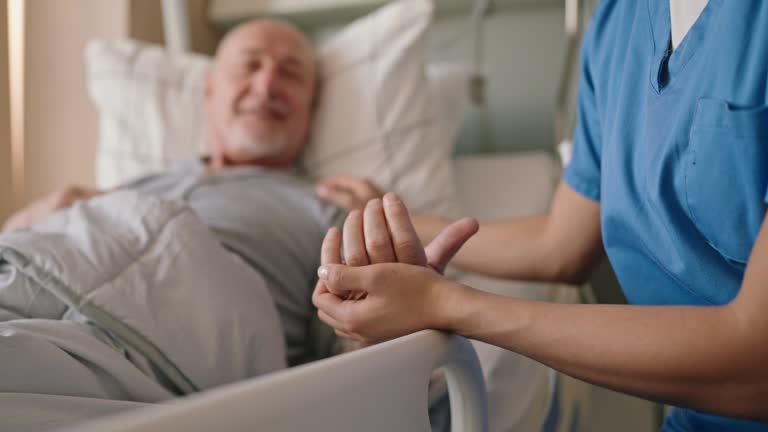
Healthcare plans can sometimes feel overwhelming, especially when they involve multiple medications, treatments, appointments, and healthcare providers. Skilled nurses can help families understand what the care plan involves and why certain treatments or precautions are necessary.
They may explain medication schedules, dietary recommendations, safety measures, or signs that families should watch for. When families understand the reasoning behind the care plan, they are often better prepared to participate in their loved one’s care.
Clear communication can also help reduce confusion and make it easier for everyone involved to work toward the same goals.
Coordinating With the Healthcare Team
Patients receiving skilled nursing care may also work with physicians, physical therapists, occupational therapists, speech therapists, social workers, or other professionals. Coordinating care among these different providers is an important part of the overall care journey.
Skilled nurses often serve as an important connection between patients, families, and other members of the healthcare team. They can share observations about the patient’s progress, communicate changes in condition, and help ensure that important information is passed along.
This coordinated approach can help create greater continuity in care and prevent important details from being overlooked.
Supporting Recovery and Rehabilitation
For patients recovering from an illness, injury, or hospital stay, skilled nursing can support the rehabilitation process. Nurses may help manage pain, administer medications, monitor surgical sites, or assist with other medical needs while therapists focus on rebuilding strength, mobility, communication, or daily living skills.
Families can also learn how to safely support recovery without doing too much or too little. Understanding when to encourage independence and when assistance is needed can be difficult, especially during the early stages of recovery.
The care team can provide practical guidance based on the patient’s abilities and progress.
Recognizing Changes in Health
Families know their loved ones well, but recognizing whether a change requires medical attention is not always easy. A person may become unusually tired, confused, weak, or less interested in eating. These changes may seem minor, but sometimes they can indicate an underlying health concern.
Skilled nurses are trained to assess changes and determine when additional medical evaluation may be needed. They can also teach families which symptoms should be reported and what warning signs may require more immediate attention.
This guidance can give families greater confidence when making decisions about their loved one’s health.
Preparing Families for Transitions in Care
The care journey often includes transitions. A patient may move from the hospital to skilled nursing, from rehabilitation back home, or from one level of care to another.
These transitions can be stressful because families may suddenly need to understand new medications, equipment, follow-up appointments, or caregiving responsibilities.
Skilled nursing teams can help families prepare by reviewing instructions, answering questions, and identifying what support may be needed next. When returning home is part of the plan, families may also receive education about medication management, mobility precautions, wound care, or other aspects of daily care.
Preparing ahead can help make transitions safer and less overwhelming.
Offering Reassurance Throughout the Journey
Beyond clinical care, skilled nursing provides families with something equally important: reassurance that they do not have to navigate complicated healthcare decisions without professional guidance.
Families may still experience uncertainty, especially when a loved one’s condition changes or recovery takes longer than expected. Having nurses available to answer questions, monitor progress, and communicate with the broader healthcare team can provide valuable peace of mind.
Every patient’s care journey is different. Some people need skilled nursing for a short period while recovering, while others may require ongoing support because of chronic or complex medical conditions.
Throughout these different stages, skilled nursing can provide the medical expertise, education, coordination, and compassionate support families need. By working together with patients and their loved ones, skilled nursing professionals can help families feel informed, involved, and better prepared for whatever the next stage of care may bring.