
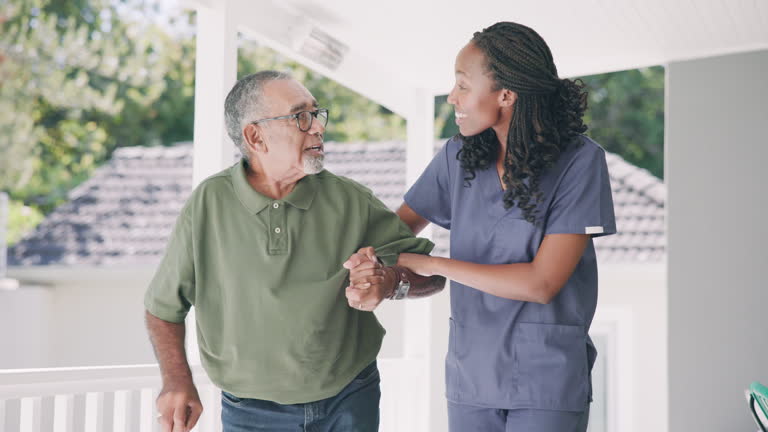
Caring for an aging loved one is often a rewarding experience, but it can also bring emotional, physical, and practical challenges for families. As care needs become more complex, family members may find it difficult to balance caregiving responsibilities with work, personal commitments, and their own well-being. Skilled nursing plays an important role in easing these challenges by providing professional medical care while supporting families every step of the way.
Rather than replacing the involvement of loved ones, skilled nursing complements family care by offering expertise, guidance, and peace of mind. This partnership helps ensure that seniors receive the attention they need while allowing family members to focus on spending meaningful time together.
Contents
Understanding the Role of Skilled Nursing
Skilled nursing provides around-the-clock medical care for individuals recovering from illness, surgery, injury, or managing chronic health conditions. Licensed nurses, therapists, physicians, and other healthcare professionals work together to create personalized care plans based on each resident’s unique health needs.
Services commonly offered in skilled nursing settings include:
- Medication management
- Wound care
- Physical therapy
- Occupational therapy
- Speech therapy
- Pain management
- Chronic disease monitoring
- Nutritional support
- Rehabilitation services
These comprehensive services allow families to feel confident that their loved one is receiving professional care tailored to their changing health needs.
Providing Families with Peace of Mind
One of the greatest benefits skilled nursing offers families is reassurance. Many caregivers worry about whether they are providing the right level of care or recognizing changes in a loved one’s condition. Skilled nursing professionals have the training and experience to monitor residents closely and respond quickly when medical concerns arise.
Knowing that licensed nurses are available 24 hours a day can significantly reduce stress for family members. Instead of constantly worrying about medications, mobility assistance, or emergencies, families can trust that healthcare professionals are managing these responsibilities safely and effectively.
This peace of mind allows loved ones to shift their focus from caregiving tasks to building stronger emotional connections during visits.
Supporting Recovery After Hospitalization
Transitions from the hospital to home can be overwhelming, especially for older adults recovering from surgery, illness, or injury. Skilled nursing facilities help bridge this gap by providing continued medical supervision and rehabilitation services.
Care teams closely monitor recovery progress, administer medications, manage pain, and coordinate therapy sessions that promote healing. Physical, occupational, and speech therapists work with residents to rebuild strength, improve mobility, and regain independence whenever possible.
Families benefit from having professionals oversee the recovery process while receiving regular updates on their loved one’s progress and expected milestones.
Encouraging Open Communication
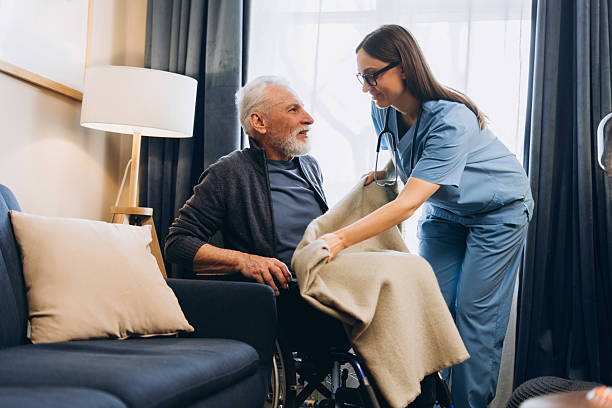
Strong communication between healthcare professionals and families is essential throughout the care journey. Skilled nursing teams understand that family members want to stay informed and involved in important decisions regarding their loved one’s health.
Regular care conferences, progress updates, and discussions about treatment goals help everyone remain on the same page. Families have opportunities to ask questions, express concerns, and better understand changes in health conditions or care plans.
This collaborative approach fosters trust while ensuring that care decisions reflect the resident’s needs and personal preferences.
As seniors age, they may develop multiple chronic conditions that require careful monitoring and coordination. Managing medications, physician appointments, dietary needs, and rehabilitation schedules can quickly become overwhelming for family caregivers.
Skilled nursing professionals simplify these responsibilities by coordinating every aspect of care. Nurses monitor symptoms, physicians oversee treatment plans, therapists provide rehabilitation, and dietary staff support proper nutrition. This team-based approach reduces confusion and ensures consistent, well-coordinated care.
Families can feel confident knowing that experienced professionals are managing the details while keeping them informed throughout the process.
Offering Emotional Support for Loved Ones
The caregiving journey affects the entire family emotionally. Watching a loved one experience health challenges often brings feelings of worry, sadness, uncertainty, or even caregiver guilt.
Skilled nursing teams recognize these emotional challenges and provide compassionate support not only for residents but also for their families. Staff members often take time to answer questions, offer reassurance, and help families understand what to expect during different stages of recovery or long-term care.
This emotional support helps families feel less isolated while strengthening their confidence in the care their loved one is receiving.
Promoting Independence Whenever Possible
A common misconception is that skilled nursing only focuses on medical treatment. In reality, many care plans emphasize helping residents maintain or regain as much independence as possible.
Therapists work with residents on mobility, self-care activities, communication skills, and daily living tasks that improve confidence and quality of life. Progress may occur gradually, but every improvement helps seniors participate more fully in their daily routines.
For families, seeing a loved one regain abilities or maintain independence can provide hope and reassurance throughout the care journey.
Building Lasting Partnerships with Families
Successful skilled nursing care depends on strong partnerships between healthcare professionals and families. Loved ones know the resident’s history, preferences, routines, and personality, while clinical teams contribute medical expertise and ongoing care.
By working together, families and care providers create an environment centered on respect, communication, and shared goals. This collaborative relationship helps ensure that every resident receives compassionate, individualized care that supports both physical health and emotional well-being.
Conclusion
The care journey is rarely one that families should navigate alone. Skilled nursing provides the professional medical care, rehabilitation services, communication, and emotional support needed to help both seniors and their loved ones through every stage of care. By combining clinical expertise with compassionate partnership, skilled nursing allows families to spend less time worrying about medical responsibilities and more time focusing on what matters most—sharing meaningful moments with the people they love.