

Recovering from surgery can be a challenging process that requires more than simply resting at home. While many procedures allow patients to return home shortly after treatment, others require a higher level of care to ensure proper healing and prevent complications. Skilled nursing care plays a vital role in helping patients transition safely from the hospital to full recovery by providing professional medical support, rehabilitation services, and personalized care plans.
For patients recovering from major surgeries such as joint replacements, cardiac procedures, or complex orthopedic operations, skilled nursing facilities offer an environment where trained medical professionals can closely monitor progress and provide specialized treatment. This type of care helps patients regain strength, maintain stability, and avoid setbacks during the critical recovery period.
Contents
What Is Skilled Nursing Care?
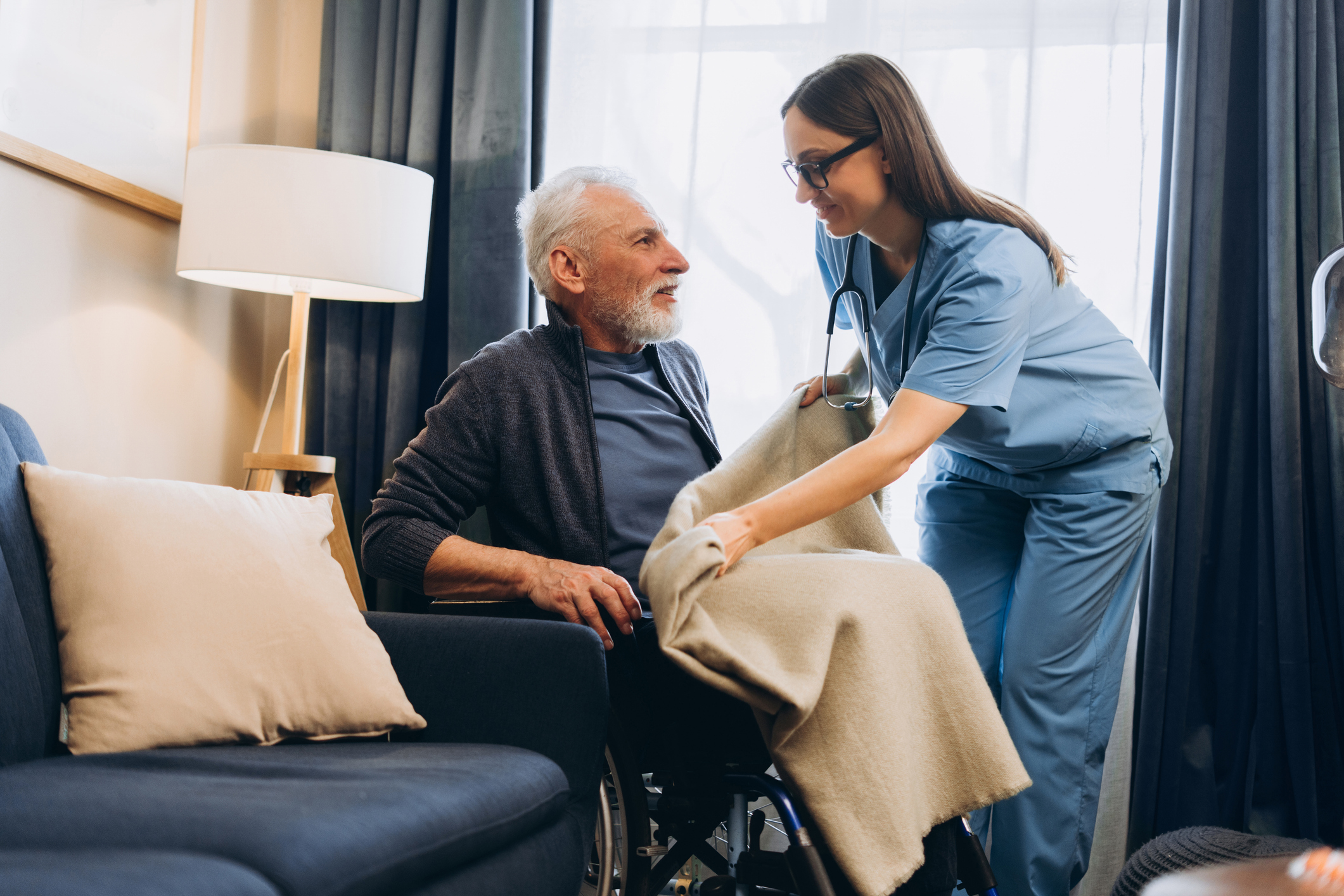
Skilled nursing care refers to medical services provided by licensed nurses and healthcare professionals who are trained to assist patients with complex medical needs. Unlike standard home care or assisted living, skilled nursing focuses on clinical support and rehabilitation for individuals recovering from surgery, illness, or injury.
Patients in skilled nursing facilities benefit from services such as medication management, wound care, physical therapy, and continuous health monitoring. These services are typically overseen by registered nurses, licensed practical nurses, and other healthcare specialists who work together to ensure each patient receives appropriate treatment.
This structured approach to care is especially important following surgery when patients may still be vulnerable to complications such as infections, mobility challenges, or medication adjustments.
The Importance of Medical Monitoring After Surgery
After surgery, the body undergoes a complex healing process that requires careful supervision. Skilled nursing facilities provide round-the-clock monitoring that allows healthcare professionals to quickly identify any warning signs or complications.
Nurses regularly check vital signs, assess surgical wounds, and monitor pain levels to ensure patients remain stable throughout their recovery. If concerns arise, medical staff can immediately coordinate with physicians to adjust treatment plans or provide additional care.
This level of oversight can significantly reduce the risk of hospital readmissions, which are often caused by infections, medication issues, or improper wound care after discharge.
For patients who may feel anxious about leaving the hospital, skilled nursing care offers reassurance that trained professionals are always available to respond to medical needs.
Rehabilitation and Physical Therapy Support
One of the most important aspects of post-surgical recovery is rehabilitation. Many surgeries affect mobility, strength, and coordination, which means patients often need guided therapy to safely regain their independence.
Skilled nursing facilities typically provide access to physical therapists, occupational therapists, and rehabilitation specialists who design personalized therapy programs based on each patient’s condition and recovery goals.
Physical therapy focuses on rebuilding strength, improving balance, and restoring mobility. Occupational therapy, on the other hand, helps patients relearn everyday tasks such as dressing, bathing, and moving safely around their living space.
Through consistent therapy sessions and supervised exercises, patients can gradually rebuild their confidence and physical abilities while minimizing the risk of reinjury.
Medication and Pain Management
Managing medications properly is another critical part of surgical recovery. After surgery, patients may be prescribed multiple medications, including pain relievers, antibiotics, blood thinners, and anti-inflammatory drugs.
Skilled nursing staff ensure that medications are administered correctly and on schedule. Nurses also monitor how patients respond to these medications and communicate with physicians if adjustments are needed.
Pain management is particularly important because unmanaged pain can slow down recovery and discourage patients from participating in rehabilitation therapy. Skilled nursing teams work closely with patients to keep pain under control while avoiding unnecessary medication risks.
By maintaining careful oversight of medications, skilled nursing professionals help create a safer and more comfortable recovery process.
Personalized Care Plans for Every Patient
No two surgeries or recovery journeys are the same. Skilled nursing facilities develop individualized care plans that address each patient’s specific medical needs, recovery timeline, and personal goals.
These care plans often include a combination of nursing care, therapy sessions, nutritional support, and ongoing medical evaluations. The goal is to create a structured recovery pathway that supports healing while helping patients gradually return to their daily routines.
Care teams also communicate regularly with patients’ families and physicians to ensure everyone remains informed about progress and any changes in treatment.
This collaborative approach allows patients to receive well-rounded care that addresses both physical recovery and emotional well-being.
Supporting a Safe Transition Back Home
One of the ultimate goals of skilled nursing care is to help patients regain enough strength and independence to return home safely. Before discharge, care teams evaluate each patient’s mobility, health stability, and ability to manage daily tasks.
Patients may receive guidance on continued exercises, medication routines, and home safety recommendations. Some facilities also help coordinate follow-up care, home health services, or outpatient therapy to support continued recovery.
By preparing patients for life after discharge, skilled nursing facilities help reduce the risk of complications and ensure a smoother transition back to normal routines.
Helping Patients Recover with Confidence
Recovering from surgery requires patience, proper medical care, and consistent rehabilitation. Skilled nursing facilities provide a supportive environment where patients can heal under the supervision of experienced healthcare professionals.
Through medical monitoring, rehabilitation therapy, medication management, and personalized care planning, skilled nursing teams play an essential role in guiding patients through the recovery process. With the right support system in place, patients can focus on regaining their strength and confidence as they work toward returning to their everyday lives.