

Moving into a skilled nursing facility is often a major adjustment, not only for the person receiving care but also for family members and loved ones. While much of the planning may focus on medical needs, medications, therapy, personal belongings, and daily routines, the emotional side of the transition deserves just as much attention.
A move to skilled nursing care can bring relief because professional support is available, but it may also bring uncertainty, sadness, frustration, or fear. Understanding these emotions and approaching the transition with patience can make it easier for everyone involved to adjust.
Contents
Why the Transition Can Feel Overwhelming
For many people, moving into skilled nursing care represents a significant change in independence and routine. A person may be leaving a home where they have lived for years and entering an unfamiliar environment with new caregivers, schedules, and surroundings.
Even when skilled nursing is clearly needed, the move can still feel like a loss. Residents may miss their privacy, familiar belongings, neighborhood, pets, or everyday routines. Some may worry about losing control over decisions involving their daily lives.
Family members can experience their own emotional challenges. They may feel guilty about the decision, question whether they made the right choice, or worry about how their loved one will adjust. These reactions are common during a major care transition.
Acknowledging Feelings Without Dismissing Them
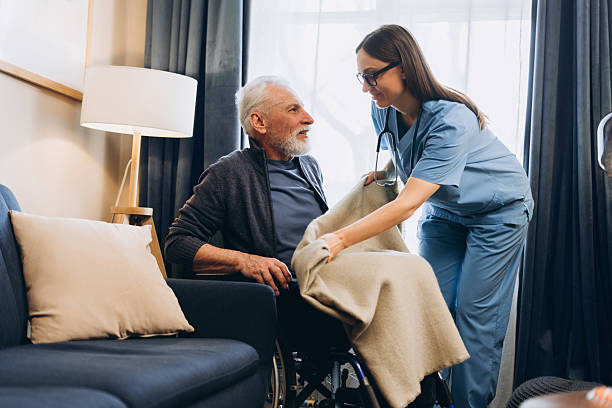
One of the most helpful things families can do is allow their loved one to express how they feel. Statements such as “You’ll get used to it” or “This is what’s best for you” may be intended to provide reassurance, but they can unintentionally make a person feel that their concerns are being dismissed.
Instead, families can listen and acknowledge that the transition is difficult. A resident may feel sad one day, frustrated the next, and more comfortable a few days later. Adjustment is rarely a straight path.
Creating space for these emotions can help residents feel heard and respected while they become familiar with their new surroundings.
Maintaining a Sense of Familiarity
Familiar objects can help make a new environment feel more personal. Depending on facility guidelines and available space, families may bring photographs, favorite blankets, books, clothing, decorations, or other meaningful belongings.
Maintaining familiar routines can also be helpful. If a person normally enjoys reading after breakfast, listening to particular music in the afternoon, or speaking with family members in the evening, continuing these habits when possible can provide comfort.
Small elements of familiarity can help residents maintain a sense of identity during a period when many other parts of their routine are changing.
Staying Connected With Family and Friends
Regular contact with loved ones can provide important emotional reassurance during the transition. Visits, phone calls, video conversations, cards, and messages can remind residents that moving into skilled nursing care does not mean losing connection with the people who matter to them.
Families may want to establish a realistic visiting or communication routine. Consistency can be comforting, especially during the first several weeks.
At the same time, residents may need opportunities to become involved in their new environment. Balancing family contact with participation in activities, therapy, meals, and social opportunities can help them gradually develop a new daily routine.
Building Trust With the Care Team
Feeling comfortable with caregivers can make a meaningful difference in a resident’s emotional adjustment. Families can support this process by sharing information about the resident’s preferences, communication style, routines, interests, and concerns.
Residents should also be encouraged to ask questions and express their needs whenever possible. Knowing who to approach when they need help can reduce uncertainty.
Families can communicate with the care team about noticeable emotional or behavioral changes as well. If a resident becomes increasingly withdrawn, anxious, confused, or distressed, discussing these observations with staff can help determine whether additional support may be appropriate.
Supporting Independence Where Possible
Entering skilled nursing care does not mean that every decision must be made for the resident. Maintaining appropriate choices can support dignity and a sense of control.
Simple decisions, such as choosing clothing, selecting activities, deciding when to speak with family, or expressing preferences about meals and routines, can remain meaningful.
Families may sometimes feel tempted to handle everything for their loved one, particularly when they are worried about their health. However, allowing residents to participate in decisions whenever they are able can help them remain engaged in their own care.
Families Need Time to Adjust, Too
The emotional transition affects family members as well. Some relatives have spent months or years providing care at home and may suddenly find that their daily role has changed.
Relief and guilt can sometimes exist at the same time. A family member may feel reassured that professional care is available while also feeling sad that they can no longer provide all of that care personally.
Families can continue to play an important role by offering companionship, participating in care discussions, providing personal information to the care team, and remaining involved in their loved one’s life.
Giving the Transition Time
Adjusting to skilled nursing care may take days, weeks, or longer depending on the person and the circumstances surrounding the move. There is no single timeline that applies to everyone.
Patience, communication, familiarity, and continued involvement can make the transition feel less overwhelming. Over time, new routines may become more comfortable, relationships with caregivers may develop, and the new environment may begin to feel more familiar.
The transition to skilled nursing care is not simply a change in where someone receives medical support. It is an emotional life transition that deserves compassion and understanding. By recognizing both the practical and emotional needs involved, families and care teams can help residents approach this new chapter with greater comfort, dignity, and connection.