

Moving into a skilled nursing facility is a significant life change that often brings a mix of emotions for both older adults and their families. While much attention is given to the medical care and rehabilitation services provided, the emotional adjustment is equally important. Feelings of uncertainty, sadness, anxiety, or even relief are all common during this transition. Recognizing these emotions and addressing them with compassion can make the experience more positive and help individuals settle into their new environment with greater confidence.
Contents
Why the Transition Can Feel Overwhelming
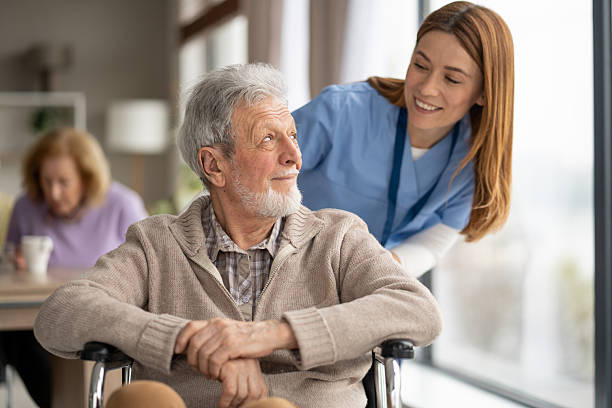
Leaving a familiar home and daily routine is rarely easy. For many older adults, home represents independence, cherished memories, and a sense of identity. Moving to a skilled nursing facility may feel like losing part of that identity, especially if the decision follows a hospitalization, illness, or injury.
The transition often comes with questions about the future. Residents may wonder how their daily lives will change, whether they will make new friends, or how often they will see family members. These concerns are natural and deserve patience and understanding.
Family members experience emotional challenges as well. Adult children, spouses, and other loved ones may struggle with feelings of guilt, worry, or uncertainty about whether they made the right decision. Open communication and realistic expectations can help everyone navigate these emotions together.
Understanding Common Emotional Responses
Every person’s experience is unique, but several emotions commonly arise during the transition to skilled nursing care.
Anxiety may develop because of unfamiliar surroundings, new caregivers, or changes in daily routines. Individuals who thrive on consistency may need extra reassurance as they adapt.
Sadness or grief is also common. Even when the move is necessary for health and safety, it still represents the loss of a familiar lifestyle. Acknowledging these feelings rather than dismissing them allows individuals to process the change healthily.
Some residents may also feel frustrated about needing additional support with activities they once handled independently. Encouraging independence wherever possible can help preserve confidence and self-esteem.
At the same time, many people experience relief. After struggling with health concerns or recovering from surgery, having access to around-the-clock nursing care, therapy, and assistance can reduce stress for both residents and their families.
Building Comfort in a New Environment
Adjusting to skilled nursing care takes time, and small steps can make a meaningful difference.
Personalizing a resident’s room with family photographs, favorite blankets, books, or treasured keepsakes helps create a familiar atmosphere. These comforting items can make the new space feel more like home.
Learning the daily schedule also provides reassurance. Knowing when meals, therapy sessions, recreational activities, and visiting hours occur creates a sense of predictability that reduces uncertainty.
Residents are encouraged to participate in social activities at their own pace. Whether joining a group game, attending a music program, or simply chatting with neighbors during meals, these interactions help build new friendships and reduce feelings of isolation.
The Importance of Family Support
Family involvement continues to play a vital role after the move. Regular visits, phone calls, video chats, and letters remind residents that they remain connected to the people who matter most.
Rather than focusing solely on medical updates, families can talk about everyday life, share stories, celebrate milestones, or look through old photo albums together. These familiar conversations help maintain emotional closeness despite the change in living arrangements.
Listening is equally important. Allowing loved ones to express their fears, frustrations, or concerns without immediately trying to fix every problem creates an environment of trust and understanding.
Families should also remember to care for themselves. Transitioning a loved one into skilled nursing care can be emotionally demanding, and seeking support from other family members, friends, or caregiver groups can help ease that burden.
How Skilled Nursing Teams Support Emotional Well-Being
Quality skilled nursing care extends beyond physical health. Care teams understand that emotional wellness directly affects recovery, participation in therapy, and overall quality of life.
Nurses, therapists, social workers, and activity professionals work together to help residents adjust. They take time to learn each resident’s preferences, routines, interests, and personal history to provide individualized support.
Therapeutic activities, social engagement programs, spiritual services, and recreational opportunities all contribute to emotional well-being. These experiences encourage connection, purpose, and enjoyment while helping residents establish new routines.
Care teams also communicate regularly with families, keeping them informed about progress and encouraging their involvement throughout the resident’s stay.
Looking Ahead with Hope
The emotional transition into skilled nursing care rarely happens overnight. It is a gradual process that unfolds differently for every individual. While the first days or weeks may feel unfamiliar, many residents eventually develop meaningful friendships, establish comfortable routines, and gain confidence in their surroundings.
Families often find reassurance as they see their loved ones receiving consistent care, participating in therapy, and enjoying daily activities. The decision to move into skilled nursing care is ultimately about ensuring safety, promoting recovery, and improving overall well-being.
By recognizing the emotional aspects of this transition and approaching them with empathy, patience, and open communication, residents and families can navigate this important life change together. With compassionate support from loved ones and dedicated care teams, skilled nursing care can become not only a place for healing but also a community where individuals continue to find comfort, connection, and opportunities to thrive.