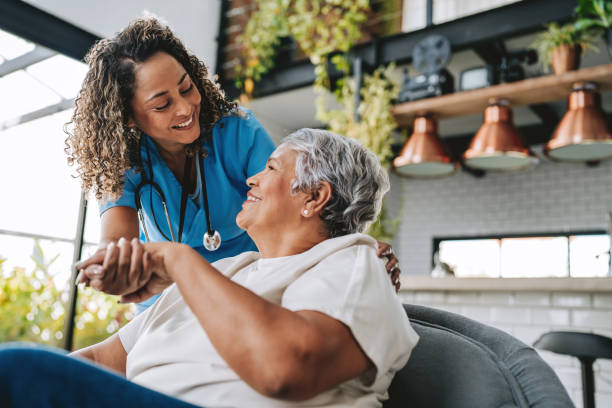
Rehabilitation programs play a vital role in helping individuals recover from illness, injury, or surgery while restoring independence and quality of life. Whether a patient is transitioning from hospital care or managing a long-term condition, structured rehabilitation provides the clinical support and guidance needed for meaningful recovery. Today’s rehabilitation programs are designed to address not only physical healing but also emotional, cognitive, and social well-being.
Below is an overview of the most common rehabilitation programs offered across modern healthcare and senior care facilities, each tailored to meet specific patient needs.
Contents
Physical Therapy Programs

Physical therapy is one of the most widely utilized rehabilitation services, focusing on restoring movement, strength, and mobility. It is commonly recommended for individuals recovering from surgeries such as joint replacements, fractures, or spinal procedures, as well as those managing chronic conditions like arthritis or neurological disorders.
A typical physical therapy program includes guided exercises, stretching routines, balance training, and mobility techniques. Therapists work closely with patients to improve coordination and prevent further injury. The ultimate goal is to help individuals regain functional independence, whether that means walking without assistance or returning to daily activities safely.
Occupational Therapy Programs
While physical therapy emphasizes movement, occupational therapy focuses on enabling individuals to perform daily tasks independently. These tasks may include dressing, bathing, cooking, and other essential activities that contribute to a person’s quality of life.
Occupational therapists assess a patient’s abilities and limitations and then develop customized strategies to improve function. This may involve adaptive tools, environmental modifications, or specific exercises designed to enhance fine motor skills. For patients recovering from strokes or injuries, occupational therapy is often essential in rebuilding confidence and self-sufficiency.
Speech and Language Therapy
Speech and language therapy is designed for individuals experiencing communication or swallowing difficulties. These challenges may arise from neurological conditions such as stroke, traumatic brain injury, or degenerative diseases.
Therapists use targeted exercises to improve speech clarity, language comprehension, and cognitive-communication skills. In cases involving swallowing disorders, therapy focuses on safe eating techniques and muscle strengthening to reduce the risk of aspiration. This type of rehabilitation is critical not only for communication but also for maintaining proper nutrition and overall health.
Cardiac Rehabilitation Programs
Cardiac rehabilitation is a medically supervised program aimed at individuals recovering from heart-related conditions, including heart attacks, heart surgery, or chronic cardiovascular disease. These programs combine physical activity, education, and lifestyle counseling to promote heart health.
Patients participate in structured exercise sessions tailored to their cardiovascular capacity, along with guidance on nutrition, stress management, and risk factor reduction. By addressing both physical and behavioral aspects of recovery, cardiac rehabilitation helps reduce the likelihood of future cardiac events and supports long-term wellness.
Pulmonary Rehabilitation Programs
Pulmonary rehabilitation is designed for individuals with chronic respiratory conditions such as chronic obstructive pulmonary disease (COPD), asthma, or post-COVID complications. These programs aim to improve lung function, reduce symptoms, and enhance overall endurance.
Treatment typically includes breathing exercises, aerobic conditioning, and education on managing respiratory health. Patients also learn techniques to conserve energy and cope with shortness of breath during daily activities. Pulmonary rehabilitation can significantly improve the quality of life for individuals living with chronic lung conditions.
Neurological Rehabilitation Programs
Neurological rehabilitation focuses on patients recovering from conditions that affect the brain and nervous system, such as stroke, Parkinson’s disease, multiple sclerosis, or traumatic brain injury. These programs are often comprehensive, combining physical, occupational, and speech therapies.
The primary objective is to help patients regain as much function as possible while adapting to any long-term limitations. Therapists work on improving motor skills, coordination, cognitive function, and independence. Because neurological recovery can be complex and gradual, these programs are typically highly individualized and require ongoing support.
Orthopedic Rehabilitation Programs
Orthopedic rehabilitation is specifically designed for patients recovering from musculoskeletal injuries or surgeries. This includes joint replacements, ligament repairs, fractures, and other orthopedic conditions.
Programs focus on restoring strength, flexibility, and range of motion in affected areas. Through targeted exercises and manual therapy techniques, patients gradually rebuild physical function and reduce pain. Orthopedic rehabilitation is essential to ensure proper healing and prevent complications after surgery or injury.
Pain Management and Rehabilitation
Chronic pain can significantly impact a person’s ability to function and enjoy daily life. Pain management rehabilitation programs take a multidisciplinary approach to address both the physical and psychological aspects of pain.
These programs may include physical therapy, medication management, counseling, and alternative therapies such as relaxation techniques or mindfulness training. By focusing on long-term strategies rather than temporary relief, patients learn how to manage pain effectively and improve their overall quality of life.
Geriatric Rehabilitation Programs
Geriatric rehabilitation is tailored specifically for older adults who may be dealing with multiple health conditions, reduced mobility, or age-related decline. These programs are designed to help seniors maintain independence and safely perform daily activities.
Care plans often integrate various therapies, including physical, occupational, and cognitive support. Additionally, fall prevention strategies and strength-building exercises are emphasized to reduce the risk of injury. Geriatric rehabilitation recognizes the unique needs of aging individuals and provides comprehensive care that supports both physical and emotional well-being.
A Holistic Approach to Recovery
Modern rehabilitation programs are no longer limited to isolated treatments. Instead, they take a holistic approach that considers the full spectrum of a patient’s needs. Collaboration among healthcare professionals ensures that each patient receives coordinated care tailored to their condition and goals.
Recovery is not a one-size-fits-all process. By offering a wide range of rehabilitation programs, healthcare providers can create personalized pathways that empower individuals to regain independence, improve their health, and return to a fulfilling life.