
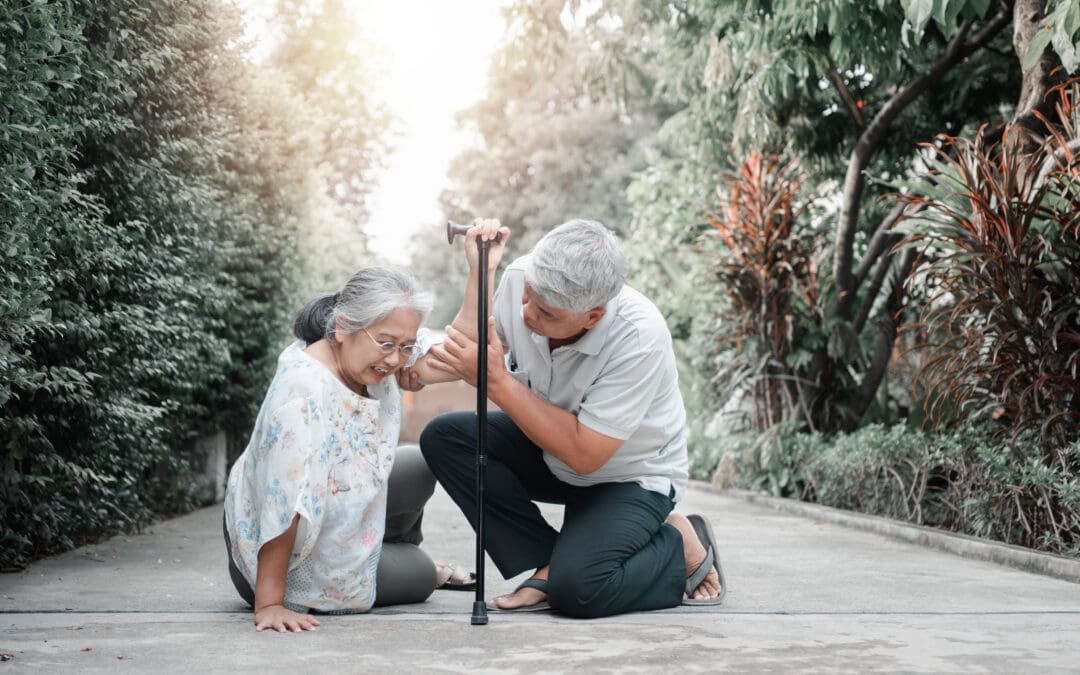
Falls are one of the most common causes of injury among older adults. According to the Centers for Disease Control and Prevention (CDC), millions of seniors experience falls each year, and many of these incidents lead to serious injuries such as fractures, head trauma, or reduced mobility. While aging naturally brings changes in balance, strength, and vision, many falls can be prevented with the right strategies and environmental adjustments.
By understanding the factors that contribute to falls and implementing practical safety measures, seniors and their families can significantly reduce the risk of injury and maintain independence for longer.
Contents
Understanding Why Seniors Are at Risk of Falling
As people age, several physical and environmental factors can increase the likelihood of falling. Muscle strength and flexibility tend to decline over time, making it more difficult to maintain balance while walking or standing. Additionally, medical conditions such as arthritis, osteoporosis, diabetes, and neurological disorders can affect coordination and stability.
Vision changes also play an important role. Reduced depth perception or difficulty seeing in low-light conditions can make it harder to notice obstacles such as steps, uneven flooring, or clutter. Certain medications may cause dizziness, drowsiness, or sudden drops in blood pressure, which can further increase fall risk.
Environmental hazards inside the home are another major contributor. Loose rugs, poor lighting, slippery floors, and cluttered walkways can easily turn everyday activities into dangerous situations if proper precautions are not taken.
Improving Strength and Balance Through Regular Exercise
One of the most effective ways to prevent falls is by maintaining physical strength and balance. Regular exercise helps improve muscle tone, coordination, and overall mobility. Even gentle activities can make a significant difference in stability and confidence when moving around.
Exercises that focus on balance and flexibility, such as tai chi, yoga, or light stretching, are particularly beneficial for seniors. Walking is another simple and accessible form of exercise that helps strengthen the legs and maintain cardiovascular health.
Strength training with light weights or resistance bands can also improve muscle control and support joint stability. By incorporating regular physical activity into daily routines, seniors can build the strength needed to prevent sudden loss of balance.
Creating a Safer Home Environment
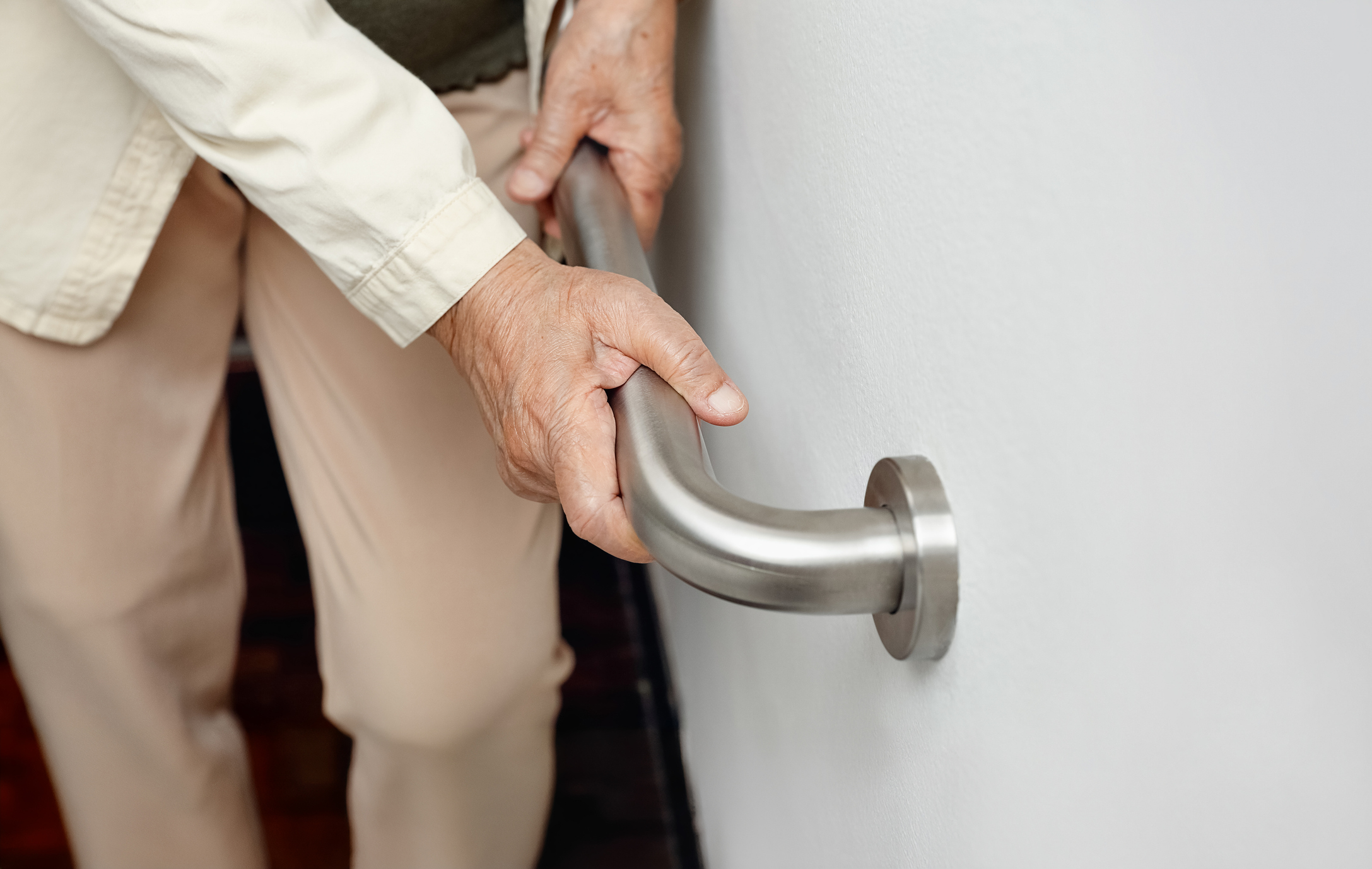
Many falls occur inside the home, making it essential to create a living environment that prioritizes safety and accessibility. Small adjustments can dramatically reduce the likelihood of accidents.
Clear walkways throughout the home by removing clutter, cords, and unnecessary furniture. Secure loose rugs with non-slip backing or remove them entirely to prevent tripping hazards. Install grab bars in bathrooms near toilets and inside showers or bathtubs to provide additional support when standing or sitting.
Lighting is another crucial element of fall prevention. Ensure that hallways, staircases, and frequently used rooms are well-lit. Nightlights can be particularly helpful in bedrooms and bathrooms to improve visibility during nighttime movements.
Stairways should have sturdy handrails on both sides whenever possible. Additionally, non-slip treads on stairs can help prevent slipping, especially for individuals who may have mobility limitations.
Reviewing Medications and Health Conditions
Certain medications can increase the risk of falls by affecting alertness, balance, or blood pressure. Seniors should regularly review their medications with healthcare providers to identify any potential side effects that may contribute to dizziness or instability.
Doctors may adjust dosages, change prescriptions, or recommend alternative treatments to reduce fall risk. Managing chronic health conditions is also important, as uncontrolled symptoms can affect coordination and mobility.
Regular vision and hearing checkups are equally essential. Updated eyeglass prescriptions and proper hearing support can improve spatial awareness and help seniors respond more effectively to their surroundings.
Using Assistive Devices for Additional Support
Assistive devices can provide valuable support for seniors who may experience difficulty with balance or walking. Canes, walkers, and mobility aids are designed to improve stability and reduce the risk of falling during daily activities.
Proper fitting and training are important when using these devices. Healthcare professionals or physical therapists can ensure that the equipment is adjusted correctly and demonstrate safe usage techniques.
Footwear also plays a critical role in fall prevention. Seniors should wear well-fitting shoes with non-slip soles and good support. Slippers without grip or shoes with smooth bottoms can increase the chance of slipping, particularly on tile or hardwood floors.
Encouraging Awareness and Prevention
Fall prevention requires ongoing awareness and proactive planning. Families and caregivers can help by conducting periodic home safety assessments and encouraging seniors to adopt healthy habits that support mobility and balance.
Simple actions such as rising slowly from sitting or lying positions, keeping frequently used items within easy reach, and staying hydrated can all contribute to reducing fall risk. Seniors should also feel comfortable asking for assistance when performing tasks that may be physically challenging.
Education plays a vital role in fall prevention. By understanding the common causes of falls and taking practical steps to address them, older adults can maintain greater confidence and independence in their daily lives.
Promoting Long-Term Safety and Independence
Preventing falls is not only about avoiding injury but also about preserving quality of life. When seniors feel safe in their environment and confident in their ability to move independently, they are more likely to remain active and engaged in their communities.
Through a combination of physical activity, home safety improvements, medical guidance, and supportive care, fall risks can be significantly reduced. Taking proactive steps today can help ensure that seniors continue to live safely, comfortably, and independently for years to come.