
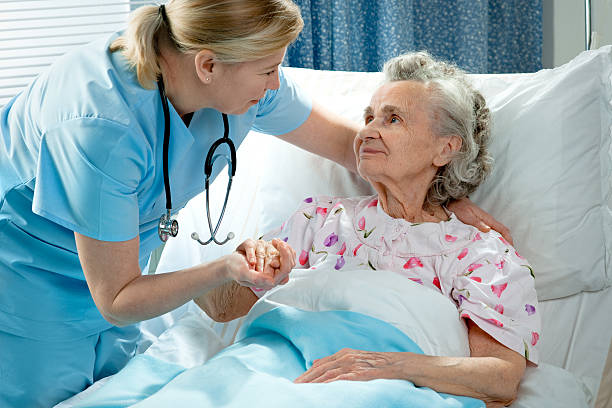
Family caregiving is often rooted in love, commitment, and a deep sense of responsibility. However, as a loved one’s medical needs become more complex, the demands placed on family caregivers can quickly grow overwhelming. Skilled nursing care plays a critical role in bridging this gap, offering professional medical support while preserving the caregiver’s ability to remain present, engaged, and emotionally connected. Rather than replacing family involvement, skilled nursing enhances it, creating a more sustainable and balanced care environment.
Contents
Understanding the Role of Skilled Nursing in Home Care
Skilled nursing refers to medical care provided by licensed professionals such as registered nurses and licensed practical nurses. This level of care goes beyond basic assistance, addressing clinical needs like wound care, medication management, post-surgical recovery, and chronic disease monitoring.
For family caregivers, this means they are no longer solely responsible for tasks that require medical expertise. Instead of navigating complex healthcare instructions alone, they gain access to trained professionals who ensure that treatments are carried out safely and effectively. This not only improves patient outcomes but also reduces the risk of caregiver burnout caused by uncertainty or mistakes.
Reducing Physical and Emotional Strain
Caring for a loved one with ongoing health issues can take a significant toll on both the body and mind. Tasks such as lifting, repositioning, and assisting with mobility can lead to physical exhaustion or even injury. At the same time, the emotional weight of constant vigilance and concern can contribute to stress, anxiety, and fatigue.
Skilled nursing alleviates much of this burden by taking over physically demanding and medically sensitive responsibilities. Nurses are trained to handle these tasks efficiently and safely, allowing family caregivers to step back from the most strenuous aspects of care. This shift creates space for caregivers to rest, recover, and maintain their own well-being without compromising the quality of care their loved one receives.
Providing Confidence Through Professional Oversight
One of the most challenging aspects of caregiving is the fear of making the wrong decision. When managing medications, monitoring symptoms, or responding to sudden changes in health, family caregivers may feel uncertain about what steps to take.
With skilled nursing support, this uncertainty is replaced by confidence. Nurses assess the patient’s condition regularly, identify potential complications early, and adjust care plans as needed. They also serve as a reliable point of contact for questions and concerns, ensuring that caregivers are never left guessing.
This professional oversight is particularly valuable for individuals recovering from surgery, managing chronic illnesses, or requiring complex treatments. Knowing that a qualified expert is involved allows family members to focus less on worry and more on meaningful interaction with their loved one.
Enhancing Communication with Healthcare Providers
Navigating the healthcare system can be difficult, especially when multiple providers are involved. Family caregivers often find themselves coordinating appointments, relaying information, and trying to interpret medical instructions.
Skilled nurses act as a crucial link between the patient, the caregiver, and the broader healthcare team. They communicate directly with physicians, therapists, and specialists, ensuring that everyone is aligned on the patient’s care plan. This coordination reduces confusion, minimizes errors, and helps caregivers stay informed without being overwhelmed by medical jargon or administrative tasks.
By streamlining communication, skilled nursing allows caregivers to spend less time managing logistics and more time focusing on their loved one’s comfort and quality of life.
Supporting Long-Term Care Sustainability
Caregiving is rarely a short-term responsibility. For many families, it becomes a long-term commitment that can last months or even years. Without proper support, the cumulative demands can lead to burnout, strained relationships, and declining health for the caregiver.
Skilled nursing introduces a level of consistency and structure that makes long-term care more sustainable. Regular visits from a nurse provide routine, stability, and ongoing assessment of the patient’s needs. As conditions change, care plans can be adjusted accordingly, ensuring that both the patient and caregiver are supported at every stage.
This adaptability is essential in preventing crises and avoiding unnecessary hospitalizations. It also helps families maintain a sense of control and preparedness, even as challenges evolve.
Preserving the Caregiver’s Personal Relationship
When caregiving responsibilities become too intense, they can overshadow the personal relationship between the caregiver and their loved one. Conversations may revolve around medications, schedules, and symptoms rather than shared experiences and emotional connection.
By taking on the clinical aspects of care, skilled nursing allows family members to reconnect with their original role as a spouse, child, or relative. Instead of being defined solely as a caregiver, they can focus on companionship, support, and meaningful moments.
This shift is invaluable in maintaining the emotional health of both the caregiver and the patient. It reinforces the human aspect of care, which is just as important as the medical component.
Encouraging a Collaborative Care Approach
Skilled nursing is most effective when it operates as part of a collaborative care model. Rather than working independently, nurses partner with family caregivers to create a unified approach tailored to the patient’s needs.
Caregivers are encouraged to share insights about daily routines, preferences, and behavioral changes, while nurses contribute their clinical expertise. This exchange of knowledge leads to more personalized care and ensures that the patient’s needs are addressed holistically.
In this collaborative environment, caregivers feel valued and supported rather than replaced. They remain an essential part of the care team, with the added benefit of professional guidance and assistance.
Conclusion
Skilled nursing care transforms the caregiving experience by providing medical expertise, reducing strain, and fostering a more balanced dynamic within the home. For family caregivers, it offers not only practical support but also peace of mind, confidence, and the opportunity to preserve meaningful relationships.
As healthcare continues to shift toward home-based models, the integration of skilled nursing will remain a cornerstone of effective and compassionate care. By supporting caregivers as much as patients, it ensures that families can navigate even the most complex health challenges with resilience and stability.