

Living with a chronic health condition often requires ongoing support, careful monitoring, and a personalized care plan. For many older adults, managing conditions such as diabetes, heart disease, chronic obstructive pulmonary disease (COPD), arthritis, and hypertension can become increasingly challenging without professional assistance. Skilled nursing care plays an important role in helping individuals maintain their health, improve their quality of life, and reduce the risk of complications associated with long-term illnesses.
Contents
Understanding Chronic Conditions in Older Adults
Chronic conditions are health issues that persist for an extended period and often require continuous medical attention. Many seniors live with more than one chronic condition, making care coordination especially important. These illnesses can affect mobility, independence, medication management, and overall well-being.
As people age, the body may become less resilient to illness and injury. Chronic diseases can progress over time if not properly monitored and treated. Skilled nursing care provides a structured environment where healthcare professionals can closely oversee a patient’s condition and respond quickly to changes in health status.
The Importance of Personalized Care Plans
No two individuals experience a chronic condition in the same way. Skilled nursing teams develop personalized care plans based on each resident’s medical history, physician recommendations, current health status, and personal goals.
These individualized plans help ensure that treatments, therapies, dietary needs, and daily routines are tailored to the person receiving care. Regular evaluations allow healthcare providers to make adjustments as needed, helping patients achieve the best possible outcomes.
Personalized care also encourages greater patient engagement. When residents understand their treatment goals and participate in their care decisions, they often feel more empowered and motivated to manage their health.
Medication Management and Monitoring
Many chronic illnesses require multiple medications to control symptoms and prevent complications. Managing prescriptions can become difficult, especially when medications must be taken at specific times or adjusted based on changing health conditions.
Skilled nursing professionals help ensure medications are administered correctly and consistently. Nurses monitor for potential side effects, adverse drug interactions, and changes in effectiveness. They also communicate with physicians regarding any concerns or necessary adjustments.
Proper medication management reduces the risk of missed doses, medication errors, and hospitalizations, providing an additional layer of safety for individuals with complex medical needs.
Managing Diabetes Through Skilled Nursing Support
Diabetes is one of the most common chronic conditions among older adults. Effective management requires careful attention to blood sugar levels, medication schedules, nutrition, and physical activity.
Skilled nursing staff regularly monitor glucose levels and watch for signs of complications such as infections, poor wound healing, or changes in circulation. Nurses also educate patients about healthy lifestyle choices that support long-term diabetes management.
Through ongoing monitoring and timely interventions, skilled nursing care helps reduce the risk of serious diabetes-related complications and supports overall health.
Supporting Heart Health and Cardiovascular Conditions
Heart disease, heart failure, and hypertension require consistent monitoring and medical oversight. Changes in blood pressure, fluid retention, weight, or breathing patterns can indicate that a patient’s condition is worsening.
In skilled nursing settings, healthcare professionals monitor vital signs, administer medications, and collaborate with physicians to manage cardiovascular health. Early detection of concerning symptoms allows for prompt treatment before complications become severe.
Patients also benefit from education about heart-healthy habits, including proper nutrition, physical activity, and lifestyle modifications that support long-term wellness.
Therapy Services That Promote Independence
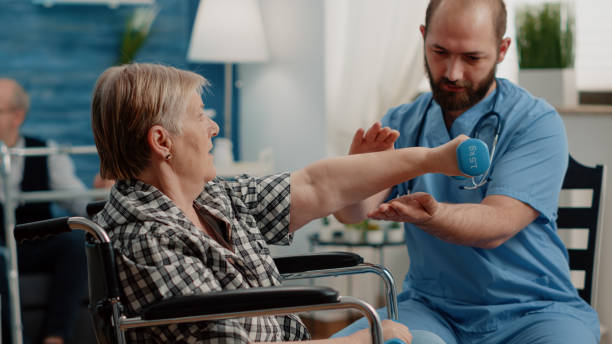
Many chronic conditions affect mobility, strength, balance, and daily functioning. Skilled nursing facilities often provide physical, occupational, and speech therapy services that help residents maintain or improve their independence.
Physical therapy focuses on strength, mobility, endurance, and fall prevention. Occupational therapy helps individuals perform daily activities more safely and effectively. Speech therapy can address communication challenges and swallowing difficulties that may accompany certain neurological conditions.
These rehabilitation services work alongside medical care to support overall health and enhance quality of life.
Nutrition and Chronic Disease Management
Nutrition plays a critical role in managing chronic illnesses. Conditions such as diabetes, heart disease, kidney disease, and hypertension often require specific dietary considerations.
Skilled nursing teams collaborate with dietitians to develop meal plans that meet individual nutritional needs while supporting disease management goals. Balanced nutrition can help control symptoms, improve energy levels, maintain a healthy weight, and reduce the risk of complications.
Residents also receive guidance on making informed food choices that align with their treatment plans and overall health objectives.
Improving Quality of Life Through Comprehensive Care
Managing chronic conditions involves much more than treating symptoms. Successful care requires a comprehensive approach that addresses physical health, emotional well-being, safety, and daily functioning.
Skilled nursing care provides ongoing medical supervision while supporting residents in maintaining dignity, independence, and meaningful engagement in daily life. Through personalized care plans, medication management, rehabilitation services, nutritional support, and continuous monitoring, skilled nursing teams help individuals navigate the challenges of chronic illness more effectively.
By focusing on both health outcomes and quality of life, skilled nursing care helps residents live more comfortably and confidently while managing long-term medical conditions.