
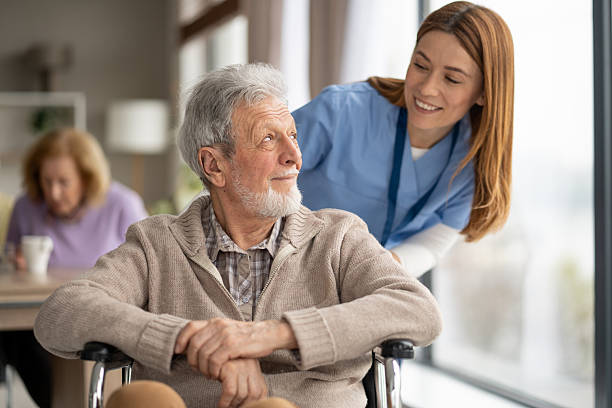
Falls are one of the most common health and safety concerns for older adults. A single fall can lead to serious injuries, reduced mobility, loss of confidence, and extended recovery times. For seniors with chronic health conditions, cognitive challenges, or recent hospitalizations, the risk can be even greater. Skilled nursing facilities play an important role in reducing these risks by creating safe environments and providing personalized care designed to support mobility, independence, and overall well-being.
Through ongoing assessments, specialized care plans, and trained healthcare professionals, skilled nursing facilities help residents maintain their quality of life while minimizing the likelihood of accidents and injuries.
Contents
Understanding the Risks of Falls in Older Adults
As people age, physical changes can affect balance, coordination, strength, and reaction time. Medical conditions such as arthritis, osteoporosis, Parkinson’s disease, stroke, and diabetes may further increase the risk of falling. Certain medications can also cause dizziness, fatigue, or changes in blood pressure that contribute to instability.
Environmental factors may create additional hazards. Poor lighting, uneven flooring, cluttered walkways, and improper footwear can all increase the likelihood of a fall. Skilled nursing facilities recognize that fall prevention requires addressing both personal and environmental risk factors.
By identifying these concerns early, care teams can take proactive steps to protect residents and support their safety.
Comprehensive Fall Risk Assessments
One of the first steps in promoting patient safety is conducting thorough fall risk assessments. Upon admission and throughout a resident’s stay, skilled nursing professionals evaluate factors that may increase the risk of falls.
These assessments often include reviewing medical history, medications, mobility limitations, balance concerns, cognitive function, vision changes, and previous fall incidents. By gathering this information, the care team can develop an individualized plan that addresses each resident’s specific needs.
Regular reassessments ensure that care plans remain effective as health conditions and mobility levels change over time.
Creating a Safer Living Environment
The physical environment plays a major role in preventing falls. Skilled nursing facilities are designed with safety in mind and often include features that support resident mobility and reduce hazards.
Handrails in hallways, non-slip flooring, adequate lighting, grab bars in bathrooms, and accessible room layouts all help residents move more safely throughout the facility. Staff members routinely inspect resident rooms and common areas to identify and address potential risks.
Simple measures such as keeping walkways clear, ensuring assistive devices are within reach, and maintaining clean, dry floors can significantly reduce the likelihood of accidents.
Personalized Mobility and Rehabilitation Programs
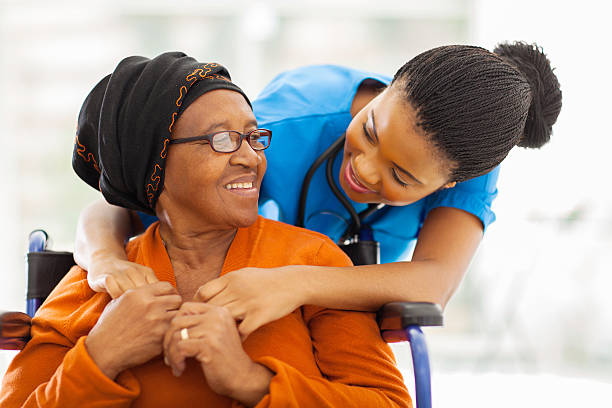
Maintaining strength and mobility is one of the most effective ways to prevent falls. Skilled nursing facilities often provide access to physical therapy and rehabilitation services that help residents improve balance, coordination, flexibility, and muscle strength.
Therapists work with residents to develop personalized exercise programs based on their abilities and goals. These programs may focus on gait training, transfer techniques, posture improvement, and functional movement exercises that support daily activities.
For residents recovering from surgery, injury, or illness, rehabilitation services can help restore mobility while teaching safe movement strategies that reduce fall risks.
Medication Monitoring and Management
Many seniors take multiple medications to manage chronic conditions. While these treatments can improve health outcomes, some medications may contribute to dizziness, confusion, weakness, or changes in alertness.
Skilled nursing facilities carefully monitor medication regimens and work closely with physicians, pharmacists, and healthcare providers to identify potential concerns. Regular medication reviews help ensure that treatments remain appropriate and effective.
By monitoring side effects and making adjustments when necessary, care teams can help reduce medication-related fall risks while supporting overall health and comfort.
Staff Training and Rapid Response
Patient safety depends heavily on the knowledge and attentiveness of healthcare professionals. Skilled nursing facility staff receive training on fall prevention strategies, safe transfer techniques, emergency response procedures, and resident monitoring.
Caregivers learn how to recognize early warning signs of mobility decline, increased confusion, or changes in physical function that may elevate fall risk. Prompt intervention allows staff to address concerns before an accident occurs.
When assistance is needed, staff members are available to help residents with walking, transferring, bathing, dressing, and other activities that may present safety challenges.
Supporting Residents Through Education
Fall prevention is most effective when residents actively participate in their own safety. Skilled nursing facilities often provide education that helps residents understand their personal risk factors and the importance of following safety recommendations.
Residents may receive guidance on using walkers or wheelchairs correctly, wearing supportive footwear, asking for assistance when needed, and practicing safe movement habits. Encouraging residents to communicate concerns about dizziness, pain, or balance changes also helps care teams respond quickly.
This collaborative approach empowers residents while promoting confidence and independence.
Building a Culture of Safety
Successful fall prevention involves more than responding to accidents after they occur. Skilled nursing facilities strive to create a culture where safety is integrated into every aspect of care.
Through ongoing assessments, environmental modifications, rehabilitation services, medication management, staff training, and resident education, facilities can significantly reduce fall risks while supporting overall health and independence.
By focusing on prevention and personalized care, skilled nursing facilities help residents remain as active, comfortable, and safe as possible. These efforts not only reduce injuries but also contribute to improved quality of life, greater confidence, and better long-term outcomes for seniors receiving skilled nursing care.