

Transitioning into a skilled nursing setting often comes with questions about what daily therapy will involve. For many residents, rehabilitation services are a central part of care, helping restore function, improve independence, and support overall well-being. Physical, occupational, and speech therapy each play a unique role, but they often work together as part of a coordinated care plan tailored to individual needs.
Understanding what to expect from these therapies can help residents and families feel more prepared and confident throughout the recovery process.
Contents
The Role of Rehabilitation in Skilled Nursing
Rehabilitation in skilled nursing is designed to help individuals regain abilities that may have been affected by illness, injury, or surgery. Therapy programs are personalized and typically begin with a comprehensive assessment. This evaluation looks at strength, mobility, cognitive function, communication skills, and the ability to perform daily activities.
Based on these findings, a care team develops a structured plan that outlines therapy goals, frequency of sessions, and expected outcomes. Progress is regularly monitored, and adjustments are made as needed to ensure that therapy remains effective and aligned with the resident’s condition.
What Happens During Physical Therapy
Physical therapy focuses on improving strength, balance, mobility, and overall physical function. Residents who have experienced falls, fractures, joint replacements, or extended hospital stays often benefit from this type of therapy.
During sessions, a physical therapist may guide residents through exercises designed to rebuild muscle strength and improve coordination. These exercises can range from simple movements performed in bed to more advanced walking or balance training.
Therapists may also use assistive devices such as walkers, canes, or parallel bars to help residents safely practice movement. Education is an important part of physical therapy as well. Residents are taught proper techniques for transferring, walking, and preventing future injuries.
Over time, the goal is to increase independence and reduce the risk of complications such as falls or further decline in mobility.
What to Expect from Occupational Therapy
Occupational therapy focuses on helping residents perform daily activities, often referred to as activities of daily living. These include tasks such as dressing, bathing, eating, and managing personal hygiene.
An occupational therapist evaluates how well a resident can complete these tasks and identifies any limitations. Therapy sessions may involve practicing these activities in a safe and supportive environment. For example, a resident recovering from surgery may work on safely getting in and out of bed, using the bathroom independently, or preparing simple meals.
Adaptive tools and techniques are often introduced to make tasks easier. These may include specialized utensils, grab bars, or modified clothing. The therapist also addresses upper body strength, coordination, and fine motor skills, which are essential for completing everyday tasks.
The primary goal of occupational therapy is to help residents regain confidence and independence in their daily routines, improving both functionality and quality of life.
Understanding Speech Therapy in Skilled Nursing
Speech therapy is not limited to communication alone. It also addresses cognitive function and swallowing abilities, making it an essential service for many residents in skilled nursing.
A speech-language pathologist evaluates speech clarity, language comprehension, memory, and problem-solving skills. For residents who have experienced strokes, neurological conditions, or head injuries, therapy may focus on improving speech and language abilities through structured exercises and communication strategies.
Swallowing therapy, also known as dysphagia management, is another key component. Residents with difficulty swallowing may receive specialized assessments and dietary modifications to ensure safe eating and drinking. Therapists may teach techniques to reduce the risk of choking and aspiration, which can lead to serious complications.
Cognitive therapy may also be included, helping residents improve memory, attention, and decision-making skills that are essential for daily living.
How Therapy Services Work Together
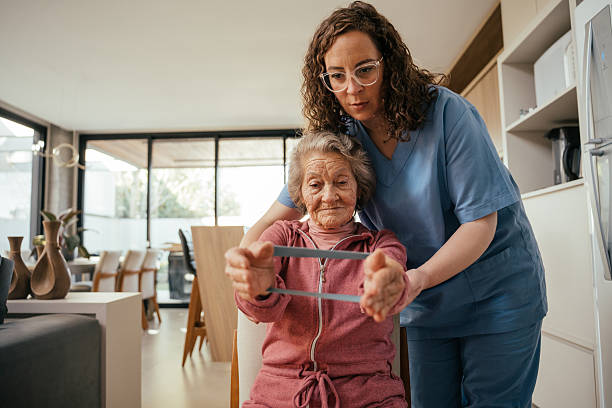
In many cases, physical, occupational, and speech therapy overlap and complement one another. A resident recovering from a stroke, for instance, may need all three types of therapy to address mobility, daily functioning, and communication challenges.
Therapists collaborate closely, sharing insights and adjusting treatment plans to ensure a cohesive approach. This coordinated care helps maximize recovery outcomes and ensures that all aspects of a resident’s health are addressed.
Family members are often encouraged to participate in therapy sessions or receive updates on progress. This involvement helps reinforce therapy goals and provides support beyond scheduled sessions.
Frequency and Duration of Therapy Sessions
Therapy schedules vary depending on the resident’s condition, goals, and tolerance. Some residents may receive therapy several times a week, while others may have daily sessions.
Each session typically lasts between 30 minutes and an hour, though this can vary. Therapists monitor fatigue levels and adjust intensity to ensure that sessions remain safe and productive.
Progress may be gradual, especially for individuals recovering from significant health events. Consistency and participation are key factors in achieving positive outcomes.
Supporting Recovery Beyond Therapy Sessions
While structured therapy sessions are important, recovery continues throughout the day. Residents are often encouraged to practice skills learned during therapy in their daily routines.
Nursing staff and caregivers play a supportive role by assisting with exercises, reinforcing safety techniques, and encouraging independence where appropriate. This continuous support helps strengthen the progress made during formal therapy sessions.
Maintaining a positive mindset and staying engaged in the rehabilitation process can significantly influence recovery. Small improvements over time contribute to meaningful gains in independence and overall well-being.
A Path Toward Greater Independence
Therapy services in skilled nursing are designed to empower residents, helping them regain control over their daily lives. Whether the focus is on walking again, performing personal tasks independently, or improving communication, each therapy plays a vital role in recovery.
By understanding what to expect during physical, occupational, and speech therapy, residents and their families can approach the rehabilitation journey with clarity and confidence. With the right support and consistent effort, many individuals experience significant improvements that enhance both their independence and quality of life.